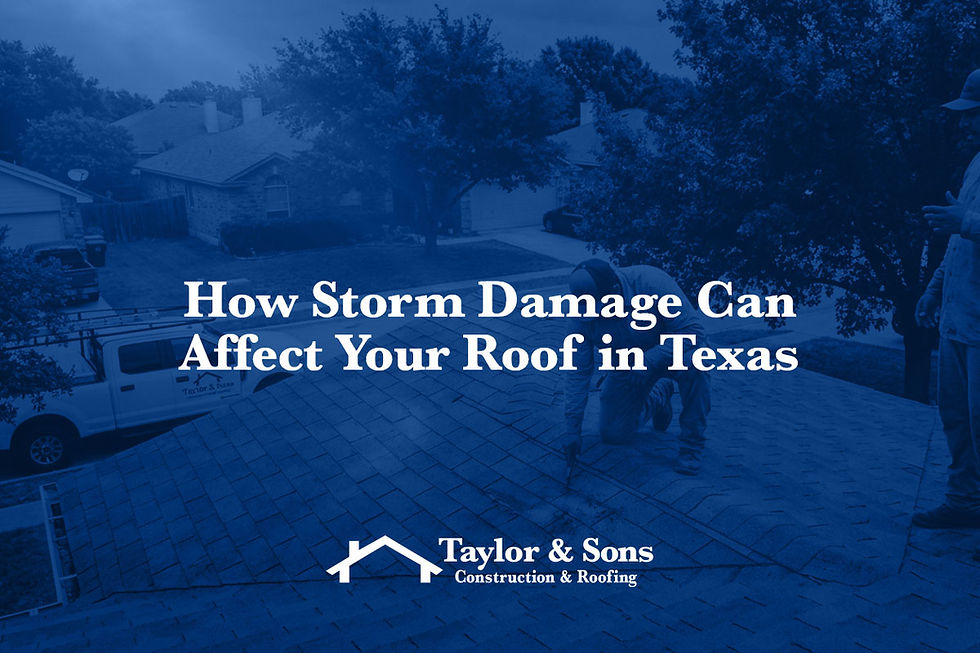
What Happens During a Professional Roof Inspection?
Exterior Roof Assessment
The inspection process typically begins with a thorough evaluation of the roof's exterior. Inspectors look for damaged, missing, curling, or cracked shingles as well as signs of excessive wear.
The overall condition of roofing materials helps determine whether repairs or replacement may be necessary.
Flashing and Penetration Inspection
Flashing is examined around chimneys, vents, skylights, and other roof penetrations. These areas are common sources of leaks because they create transitions in the roofing system.
Inspectors look for loose, damaged, or deteriorated flashing that may allow water intrusion.
Checking for Storm Damage
If severe weather has recently occurred, inspectors specifically evaluate the roof for signs of hail and wind damage. This may include bruised shingles, granule loss, lifted roofing materials, and other storm-related concerns.
Identifying storm damage early can help prevent future problems.
Gutter and Drainage Evaluation
Proper drainage is essential for roof performance. Inspectors examine gutters, downspouts, and drainage pathways to ensure water can flow away from the roof effectively.
Clogged or damaged gutters can contribute to moisture issues and roof deterioration.
Attic Inspection
Many professional inspections also include evaluating the attic space. Inspectors look for signs of water intrusion, moisture buildup, mold growth, insulation problems, and ventilation concerns.
The attic often reveals issues that may not be visible from the roof surface alone.
Ventilation Assessment
Proper roof ventilation plays a major role in preventing heat buildup and moisture accumulation. Inspectors evaluate ventilation systems to ensure adequate airflow throughout the attic and roofing structure.
Poor ventilation can shorten roof lifespan and reduce energy efficiency.
Identifying Existing or Potential Leaks
Even if no active leak is present, inspectors look for warning signs that could indicate future problems. Water stains, moisture damage, and deteriorating materials often reveal areas of concern before significant damage occurs.
Early detection allows homeowners to address issues proactively.
Detailed Findings and Recommendations
After completing the inspection, the roofing professional typically provides a summary of findings along with repair recommendations if necessary. Homeowners gain a clear understanding of the roof's current condition and any areas that require attention.
This information helps guide future maintenance and budgeting decisions.
Why Routine Inspections Are Valuable
Regular roof inspections help identify problems before they become major repairs. Preventative maintenance often extends roof lifespan and protects homeowners from unexpected expenses.
Many roofing professionals recommend inspections annually and after major storms.
Conclusion
A professional roof inspection provides a comprehensive evaluation of your roofing system, helping identify damage, maintenance needs, and potential future issues. Contact Taylor & Sons Roofing today to schedule a professional roof inspection and protect your home in Waco or Houston with confidence.